
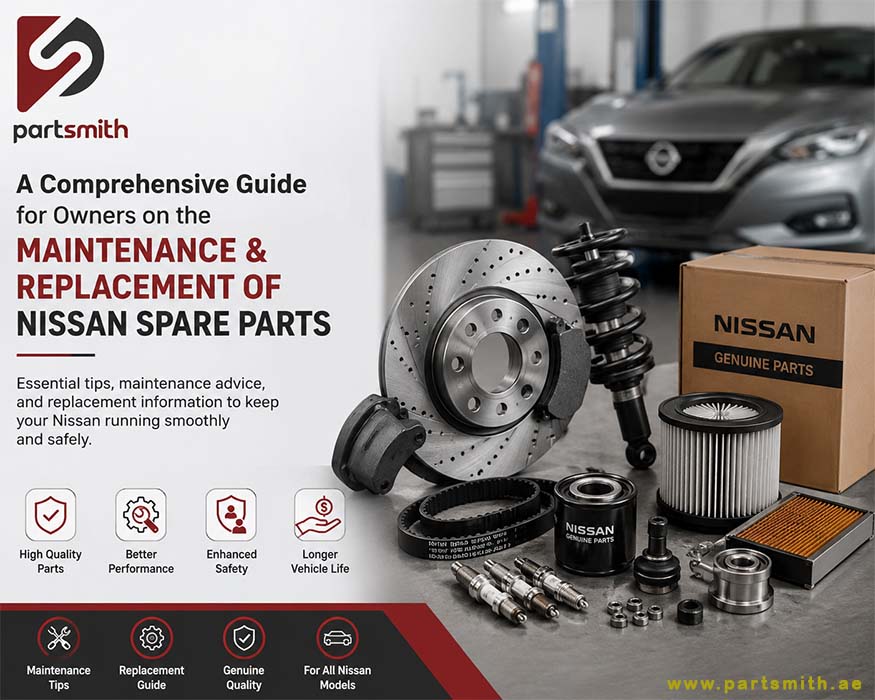
Owning a Nissan vehicle is about more than simply getting from one destination to another. Whether you drive a sedan, SUV, pickup truck, or crossover, proper maintenance plays a major role in keeping your vehicle safe, reliable, and efficient. One of the most important aspects of vehicle maintenance is choosing the right Nissan spare parts whenever repairs or replacements become necessary.
Using high-quality replacement parts not only improves your vehicle's performance but also helps extend its lifespan, reduce unexpected breakdowns, and maintain resale value. In this comprehensive guide, you'll learn everything you need to know about Nissan spare parts, including their importance, different types, maintenance tips, replacement schedules, buying advice, and ways to avoid counterfeit products.
Every Nissan vehicle is engineered with precision. Each component works together to ensure safety, comfort, fuel efficiency, and performance. Over time, however, parts naturally wear out due to regular driving conditions, weather exposure, and mileage.
Replacing worn-out components with quality Nissan spare parts ensures your vehicle continues to perform as the manufacturer intended. Inferior or incompatible parts can affect braking, engine efficiency, suspension, and even fuel economy.
Choosing reliable replacement parts offers several benefits:
Investing in the right parts today can help prevent expensive repairs in the future.
The term Nissan spare parts refers to replacement components designed specifically for Nissan vehicles. These parts are manufactured to match the specifications required for different Nissan models.
Spare parts can include:
Each component has its own maintenance schedule depending on driving habits and environmental conditions.
One of the biggest decisions Nissan owners face is whether to purchase genuine or aftermarket replacement parts.
Genuine Nissan Spare Parts
Genuine parts are manufactured according to Nissan's specifications and are designed to fit perfectly.
Advantages include:
Although genuine parts may cost more initially, they often last longer and provide greater reliability.
Aftermarket Parts
Aftermarket parts are produced by third-party manufacturers.
They can offer:
However, quality varies significantly. Some premium aftermarket brands perform well, while cheaper alternatives may wear out quickly or fail to fit correctly.
When choosing aftermarket parts, always purchase from trusted suppliers with a proven reputation.
Most Common Nissan Spare Parts That Need Replacement
Certain vehicle components naturally experience wear and tear over time.
Brake Pads
Brake pads gradually wear down due to friction. Replacing them on time ensures effective braking and protects brake discs from unnecessary damage.
Air Filter
A clean air filter helps the engine breathe efficiently, improving performance and fuel economy.
Oil Filter
Replacing the oil filter during every oil change helps keep contaminants out of the engine.
Spark Plugs
Healthy spark plugs improve ignition, engine performance, and fuel efficiency.
Battery
Most car batteries last between three and five years depending on climate and usage.
Suspension Parts
Shock absorbers, struts, and bushings wear with mileage and rough roads, affecting ride comfort and vehicle handling.
Timing Belt
Some Nissan engines use timing belts that require replacement according to the manufacturer's recommended intervals.
Ignoring replacement schedules can result in serious engine damage.
Signs Your Nissan Spare Parts Need Replacement
Knowing the warning signs helps prevent costly repairs.
Watch for these common symptoms:
If any of these issues appear, inspect your vehicle as soon as possible rather than delaying repairs.
Essential Nissan Maintenance Tips
Proper maintenance reduces the frequency of replacing Nissan spare parts and keeps your vehicle operating efficiently.
Change Engine Oil Regularly
Fresh engine oil minimizes friction, protects engine components, and improves overall performance.
Inspect Brakes Frequently
Brake inspections help identify worn pads before they damage rotors or reduce stopping power.
Replace Filters on Schedule
Changing air, cabin, fuel, and oil filters improves engine efficiency and passenger comfort.
Monitor Tire Condition
Maintain proper tire pressure and rotate tires regularly to ensure even wear.
Check Coolant Levels
Adequate coolant prevents engine overheating and protects internal components.
Replace Wiper Blades
Clear visibility is essential during rain and dusty conditions.
Test the Battery
Battery inspections can help prevent unexpected breakdowns.
How Often Should Nissan Spare Parts Be Replaced?
Replacement intervals vary based on vehicle model, driving conditions, and maintenance history.
General guidelines include:
|
Spare Part |
Recommended Inspection or Replacement |
|
Engine Oil |
Every 5,000–10,000 km |
|
Oil Filter |
With every oil change |
|
Air Filter |
Every 15,000–20,000 km |
|
Brake Pads |
Every 30,000–60,000 km |
|
Spark Plugs |
Every 40,000–100,000 km |
|
Battery |
Every 3–5 years |
|
Coolant |
Every 40,000–60,000 km |
|
Drive Belt |
Around 60,000–100,000 km |
Always consult your Nissan owner's manual for model-specific recommendations.
Selecting the correct replacement part involves more than matching the vehicle brand.
Keep these tips in mind:
Verify Compatibility
Use your vehicle identification number (VIN) or model details to ensure the correct fit.
Buy from Trusted Suppliers
Choose established automotive parts retailers or authorized distributors.
Compare Product Quality
Don't focus only on price. Long-lasting, high-quality components often provide better overall value.
Check Warranty Coverage
Reliable manufacturers usually provide warranties for their replacement parts.
Read Customer Reviews
Customer experiences often reveal valuable information about product quality and durability.
Avoiding Counterfeit Nissan Spare Parts
Counterfeit automotive parts are becoming increasingly common.
Fake products may look genuine but often use inferior materials that compromise safety.
Warning signs include:
Always inspect packaging carefully and purchase from reputable sellers.
Benefits of Preventive Maintenance
Preventive maintenance offers long-term financial and safety benefits.
Replacing worn Nissan spare parts before complete failure can:
Routine inspections are much less expensive than major repairs caused by neglected maintenance.
Seasonal Maintenance Tips for Nissan Owners
Different weather conditions affect vehicle performance.
Summer
Winter
Rainy Season
Seasonal maintenance reduces wear on important Nissan spare parts.
Simple Maintenance Habits That Save Money
Small habits can significantly extend the life of your vehicle.
Good driving practices include:
Consistent maintenance often prevents expensive repairs later.
Final Thoughts
Maintaining your vehicle starts with making smart decisions about Nissan spare parts. Every replacement component—from brake pads and filters to batteries and suspension parts—plays an important role in your car's safety, efficiency, and reliability.
By following the recommended maintenance schedule, purchasing high-quality replacement parts, and addressing minor issues before they become major problems, you can significantly extend the life of your Nissan while reducing long-term ownership costs.
Whether you're a new Nissan owner or have been driving one for years, investing in quality Nissan spare parts and practicing preventive maintenance will help keep your vehicle performing at its best for many miles to come.
Are genuine Nissan spare parts worth the extra cost?
Yes. Genuine parts are designed specifically for Nissan vehicles, offering reliable fit, durability, and long-term performance.
Can aftermarket Nissan spare parts be reliable?
Quality aftermarket parts from reputable manufacturers can perform well. However, buyers should avoid unknown brands with poor quality standards.
How can I identify the correct Nissan spare part?
Use your vehicle's VIN, model year, engine type, and part number to confirm compatibility before purchasing.
What happens if I delay replacing worn spare parts?
Ignoring worn components can reduce vehicle performance, increase repair costs, and create safety risks.
Should I replace parts before they fail?
Yes. Preventive replacement often costs less than repairing damage caused by complete part failure.